APA AI Bootcamp: Advancing Pancreatology with Artificial Intelligence
Dates: April 11-12, 2026
Location: Stanford University, Stanford Computing and Data Science (CoDa) Building
Host: The Stanford Pediatric Gastroenterology Division
Sponsor: American Pancreatic Association
The APA AI Bootcamp is a 1.5-day, weekend, in-person, hands-on intensive workshop to be held on Saturday–Sunday, April 11–12, 2026, on the main campus of Stanford University. The program is designed to equip pancreatologists with practical skills to responsibly integrate artificial intelligence (AI) into their efforts towards clinical and scientific discovery and innovation in the field.
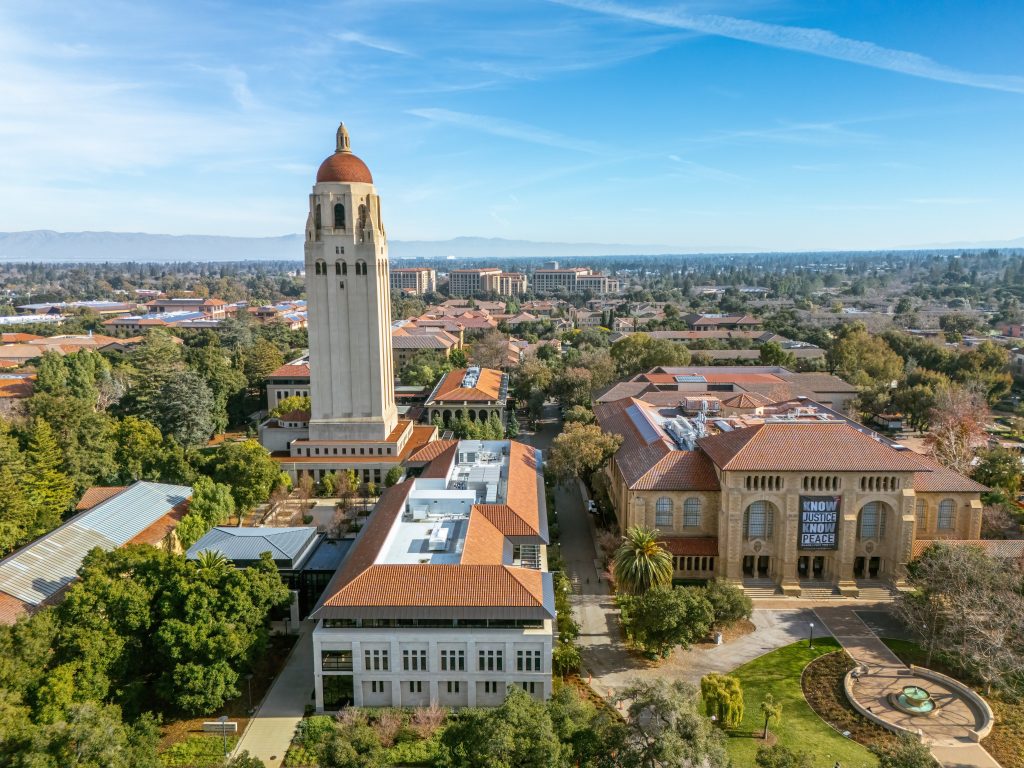
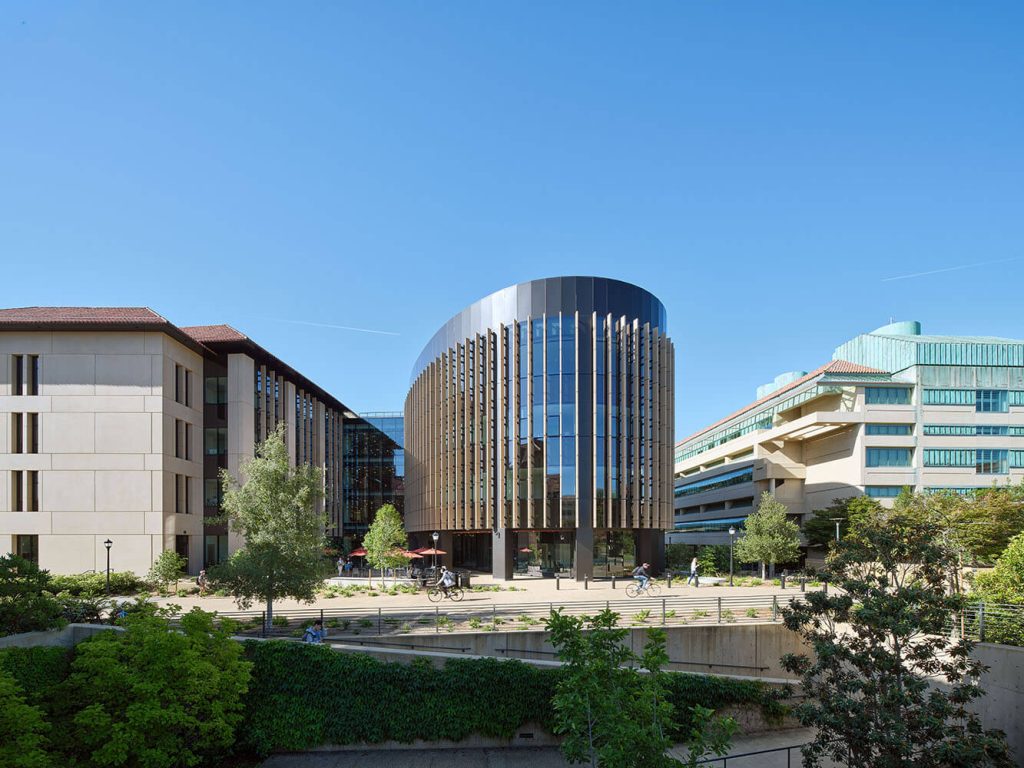
The Bootcamp aligns with the mission of the American Pancreatic Association (APA) to elevate the rigor, efficiency, and clinical impact of pancreatology clinical care and research. The APA is the event sponsor, and the Stanford Pediatric Gastroenterology Division is the venue host. Stanford is an academic leader in AI, and Stanford sits in the hub of the world’s tech center, Silicon Valley. The meeting will be held at the Stanford Computing and Data Science (CoDa) Building, one of Stanford’s newest interdisciplinary research facilities.
Program Highlights
- Three hands-on modules:
- AI literature search, reviews, writing, prompt engineering
- AI for grant editing
- Agentic AI for biomedical research
- Guided breakouts with TAs
- Ethics and future-looking panels
- Recorded content as APA YouTube tutorials
Audience
- Current APA members
- Trainees, faculty, industry scientists
- International applicants welcome
Executive Leadership
- Course Director: Sohail Husain, MD (Stanford)
- Course Director: Venkata Akshintala, MD, PhD (Hopkins)
- APA Secretary-Treasurer: Ashok Saluja, PhD
APA AI Bootcamp FAQ's
How does the APA AI Bootcamp differ from traditional scientific conferences and other AI in biomedicine learning events?
- The APA AI Bootcamp stands out due to its immersive, hands-on approach, contrasting with the typical format of scientific conferences, which often consist of lectures followed by Q&A. Instead, the Bootcamp emphasizes interactive learning through concise presentations, guided small-group discussions, and expert panels, allowing participants to engage in practical exercises related to AI.
- This event is unique because it focuses specifically on pancreatology-related exercises, using real-case datasets derived from pancreatic sources. Participants will gain valuable experience with AI tools applicable to literature discovery, writing, grant editing, and agentic AI workflows, all within the context of basic science, translational research, clinical applications, and endoscopy relevant to pancreatology.
Who should attend?
APA members conducting pancreatic clinical and basic/translational research, including academics, trainees in the field, and industry members. International APA members are also welcome.
What is the makeup of this AI Bootcamp?
Unlike a traditional conference, the APA AI Bootcamp at Stanford is an intensive 1.5-day, in-person, weekend workshop focused on hands-on, practical skill development. The program combines short didactic sessions, guided small-group breakout exercises, and expert panels, and is designed to equip pancreatology clinical and basic/translational researchers with AI tools to accelerate the pace and impact of their discoveries and innovation. Core modules will cover AI-enabled literature queries, systematic and scoping review writing, grant editing, and agentic AI tools for laboratory and computational research.
Do I need to know how to code?
No prior coding knowledge is required. Come in with a sense of curiosity to advance pancreatology through the collaborative engagement and group learning.
When is it?
Saturday–Sunday, April 11–12, 2026; Full day Saturday; half day Sunday
Where is it?
At the center of the Stanford University main campus, in the Stanford Computing and Data Science (CoDa) Building, in Stanford, California, USA
What is the application process and timeline?
You must be a member of the APA in good standing. There is limited in-person seating, so please look out for the opening of the online application portal in January 2026. APA members will need to apply on this portal to attend, and by February 10th, 2026, we will inform you of acceptance. Trainees will require a short letter of support from their PI. If there are more applications than open slots, the selection committee will prioritize inclusivity across geography and research disciplines.
What is the cost?
Early Bird (cut-off date February 20) Registration fees (which include meals during the program) are: Trainees: $100; Academics: $200; Industry: $500. Participants will need to arrange their own travel and lodging (although negotiated lodging options will be available). Beyond the Early Bird date (February 21), the fees will increase by $100 for each category.
Are there travel awards available?
Yes, we are actively pursuing travel awards mechanisms and will announce them, along with their details, when they become available.
What will I receive after I attend the event in its entirety?
The deliverables are a program handbook and participant directory, certificate of completion, slide decks and reference materials.
Is there a virtual option?
No, the event is only in person. However, selected sessions will be adapted into a publicly available APA YouTube tutorial series.
Who are the organizers?
The APA is the event sponsor, and Stanford University (the Stanford Pediatric GI Division) is the venue host. The Executive Leadership consists of Course Directors, Sohail Husain, MD (Stanford), and Venkata Akshintala, MD, PhD (Johns Hopkins), and APA Secretary-Treasurer Ashok Saluja, PhD.
Where can I go to find out more information?
The APA website will host the online application, FAQs, and preliminary program in January 2026.
Who can I contact for more information?
For more info, please email Liz Anderson at apa@apapancreas.org.